- 2827 Bathurst Street North York, ON M6B 3A4
- 2827 Bathurst Street North York, ON M6B 3A4
- 2827 Bathurst Street North York, ON M6B 3A4
- 416-551-8480
Teeth Cleaning in North York – Gentle, Professional Dental Cleaning
Professional Teeth Cleaning in North York – Gentle, Thorough, Trusted
Why Professional Teeth Cleaning Matters?
Brushing and flossing are important, but they can’t remove tartar, the hard buildup that forms when plaque sits on your teeth. Once tartar is there, only a professional dental cleaning can remove it safely.
Regular dental cleaning in North York at Glen Oak Dental helps you:
- Prevent cavities and tooth decay
- Lower your risk of gum disease
- Clear plaque and tartar from hard-to-reach spots
- Get rid of bad breath caused by bacteria
- Lift surface stains from coffee, tea and food (add teeth whitening for an even brighter look)
- Protect your long-term oral health
Most people notice the difference right after a visit: smoother teeth, a cleaner mouth and fresher breath.

Professional Teeth Cleaning in North York for All Ages
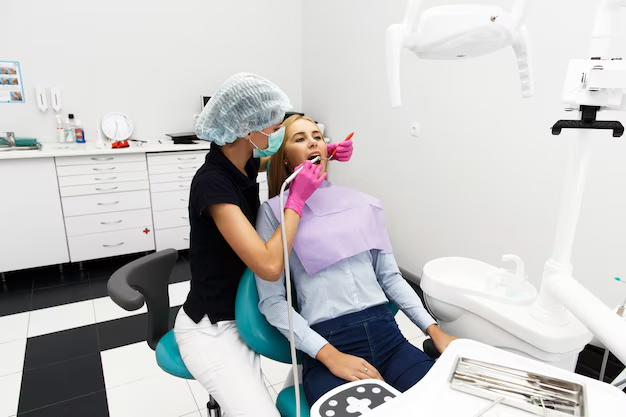
What to Expect During Your Teeth Cleaning Appointment?
Not sure what happens during a dental cleaning? Here’s how a visit at Glen Oak Dental usually goes.
Dental Health Review
We check your teeth and gums for early signs of decay or gum disease and go over your dental and medical history. New patients get a full first exam.
Scaling
We remove plaque and hardened tartar from your teeth and from just below the gumline, using hand tools and ultrasonic scalers. This is the step brushing at home can’t replace.
Polishing
Fluoride Treatment
A professional fluoride application helps strengthen enamel and protect against cavities between visits.
Personalised Oral Care Advice
Before you leave, your hygienist shares practical tips on brushing, flossing and food habits that fit your mouth.
Before and After: What Changes After a Professional Cleaning
Many patients notice realchanges right after a teeth cleaning appointment:
- Rough, fuzzy teeth feel smooth and clean.
- Stains near the gumline look lighter after polishing.
- Mild gum puffiness often settles as irritation goes down.
- Bad breath is replaced by fresher breath.
- Tartar near the back teeth is cleared from the teeth and gumline.
Signs You May Need a Teeth Cleaning in North York
It may be time to book a teeth cleaning if you notice :
- Bleeding gums when you brush or floss
- Bad breath that won't go away
- Plaque or tartar along the gumline
- Teeth that are more sensitive to hot or cold
- Stains or dull colour on your teeth
- Red, swollen or receding gums

How Often Should You Get a Dental Cleaning in North York?
Most patients do well with a dental cleaning in North York about every six months. That gives plaque and tartar time to build up enough to need removing, without giving them time to cause damage.
Some people need to come more often:
Smokers and Tobacco Users
Tobacco use leads to more tartar and staining, so closer monitoring and more frequent cleanings help.
Patients With Gum Disease
If you’ve had gingivitis or periodontal disease, your dentist may suggest cleanings every three to four months.
Patients With Braces, Bridges or Implants
Braces, bridges and implants make cleaning at home harder, so professional care matters even more.
Patients With Diabetes or Other Health Risks
Some health conditions raise the risk of gum and mouth infections, so regular preventive visits are especially useful.
Your dentist at Glen Oak Dental will suggest a schedule based on your own oral health, not a one-size-fits-all rule.
Why Choose Glen Oak Dental for Teeth Cleaning in North York?
- Experienced Dental Team: Dr. Roya Khoshsar, D.D.S., has more than 15 years of experience, and our hygienists give gentle, thorough cleanings. Meet our team.
- Modern equipment: Digital X-rays and professional scaling tools help us clean thoroughly and check your oral health accurately.
- Everything under one roof: From children's dentistry and cosmetic care to emergency dentistry and our refugee program, you can get it all at one North York clinic.
- Direct insurance billing: We bill most major Canadian insurers directly, so you don't have to chase paperwork. Contact us to check your coverage before you book.
- All ages welcome: Children, adults and seniors get the same high standard of care in a calm, judgment-free office.

Looking for Teeth Cleaning Near You in North York?
Glen Oak Dental is at 2827 Bathurst Street, North York, close to:
- Lawrence Manor
- Forest Hill
- Glencairn
- Englemount
- Cedarvale
- Yorkdale and surrounding areas

Related Dental Services at Glen Oak Dental
Dental Crowns & Bridges
Emergency Dental Care
Quick help for sudden pain, swelling or dental trauma. Learn more.
Root Canal North York
Family & Children’s Dentistry
Dental Implants
Dentures in North York
Cosmetic Dentistry
Teeth Whitening
Invisalign & Orthodontics
Refugee Dental Services
Frequently Asked Questions
Does teeth cleaning hurt?
Most patients find it comfortable. You may feel some pressure or sensitivity if there’s a lot of tartar, but our hygienists work at your pace to keep you comfortable. Tell us about any worries before your appointment.
How long does a teeth cleaning take?
Most teeth cleanings take about 45 to 60 minutes, and that’s also how long a dentist cleaning usually takes from start to finish. How long it takes for a teeth cleaning depends on your mouth. A first visit, or a cleaning that needs more detail, may take longer.
Is teeth cleaning covered by insurance in Ontario?
Many dental plans cover routine cleanings as part of preventive care, but coverage varies by plan. We direct bill most major insurers, and eligible patients may also be covered through the Canadian Dental Care Plan. Contact us and we’ll help you check before your visit.
How often should I get my teeth cleaned?
Every six months works for most people. Your hygienist may suggest a different schedule, such as every three to four months, if you have bridges, implants or a history of gum disease.
Is teeth cleaning necessary if I brush every day?
Yes. Brushing can’t remove tartar once it has hardened. Professional scaling helps prevent gum disease and protects the bone around your teeth. If tartar and gum disease are left untreated, they can lead to bigger problems like root canal treatment or tooth extraction.
What should I do after my cleaning?
Go back to your normal brushing and flossing, and follow any advice from your hygienist. If you had a fluoride treatment, ask your hygienist how long to wait before eating or drinking. Many patients follow a cleaning with professional teeth whitening for a fresh look.