
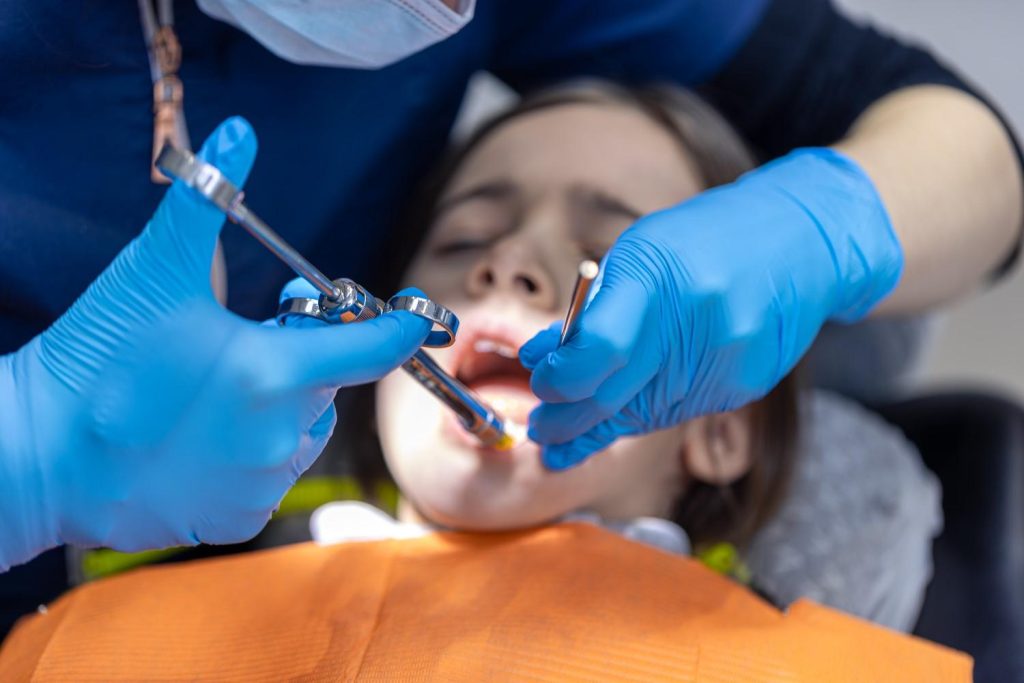
Tooth extractions including wisdom teeth removal, decay treatment, or injury require careful aftercare for proper healing. One of the most important parts of your recovery is choosing the right foods.
This guide covers what to eat, what to avoid, and how diet affects healing. By following expert advice and professional support such as orthodontics North York, you can recover faster and more comfortably.
Why Diet Matters After Tooth Extraction
After an extraction, your body needs nutrients to rebuild tissue and reduce inflammation. The right diet helps:
- Support tissue regeneration
- Minimize swelling and discomfort
- Prevent complications such as dry socket
Choosing gentle foods speeds up healing and improves comfort.
Best Foods to Eat After Tooth Extraction
1. Smoothies and Milkshakes
Smoothies provide essential nutrients without chewing.
- Include: bananas, berries, yogurt, protein powder, nut milk
- Why: Vitamins and protein promote healing
- Tip: Do not use straws
2. Mashed Potatoes
Soft and filling comfort food.
- Add: butter or cheese if tolerated
- Why: Provides energy
- Tip: Keep texture smooth
3. Greek Yogurt
Supports bone and tissue recovery.
- Why: Protein and probiotics
- Tip: Choose plain variety
4. Soups and Broths
Hydrating and nourishing.
- Include: blended vegetable soups
- Tip: Avoid spicy or chunky soups
5. Scrambled Eggs
Easy protein source.
- Why: Aids tissue repair
- Tip: Keep soft
6. Applesauce
Gentle source of vitamin C.
- Tip: Choose unsweetened
7. Pudding or Custard
Soft and easy dessert.
- Tip: Select sugar free options
8. Oatmeal and Cream of Wheat
Warm and filling.
- Tip: Cook until soft
9. Cottage Cheese
Protein and calcium boost.
- Tip: Pair with soft fruit
Foods to Avoid After Tooth Extraction
- Crunchy foods
- Sticky foods
- Spicy or acidic foods
- Hot foods and drinks
- Alcohol and caffeine
Tips for Faster Healing
- Drink water frequently
- Rest and avoid heavy exercise
- Follow medication instructions
- Avoid smoking
Final Thoughts
Healing after tooth extraction depends greatly on diet and habits. Eating soft, nutritious foods supports recovery and lowers the risk of complications.
If pain persists or symptoms worsen, always contact your dentist for guidance.