
Understanding Gum Disease Stages
Gingivitis (Early Stage)
Symptoms include:
- Red or swollen gums
- Bleeding during brushing
- Mild tenderness
This stage affects soft tissue only and is often reversible.
Periodontitis (Advanced Stage)
Symptoms may include:
- Gum recession
- Persistent bad breath
- Loose teeth
- Bone damage
This stage cannot be cured through home remedies alone.
Home Methods That May Help Early Gum Disease
Brush Thoroughly Twice Daily
- Use a soft-bristled toothbrush
- Angle toward the gumline
- Brush at least two minutes
This removes plaque bacteria that trigger inflammation.
Floss Every Day
Flossing cleans between teeth and below the gumline where brushing misses.
Consistency is key for improvement.
Saltwater Rinse
Mix:
- ½ teaspoon salt
- Warm water
Swish for 30 seconds to soothe gums and reduce bacteria.
Antibacterial Mouthwash
Using an antiseptic rinse may help reduce plaque buildup and inflammation.
Choose gentle formulas for daily use.
Improve Your Diet
Support healing by eating:
- Vitamin-rich fruits and vegetables
- Protein sources
- Whole foods
Limit sugar and highly processed snacks.
Avoid Smoking
Smoking significantly increases gum disease risk and slows recovery.
Quitting improves outcomes dramatically.
What Home Care Cannot Do
Even excellent hygiene cannot:
- Remove hardened tartar below gums
- Repair bone loss
- Treat deep infection pockets
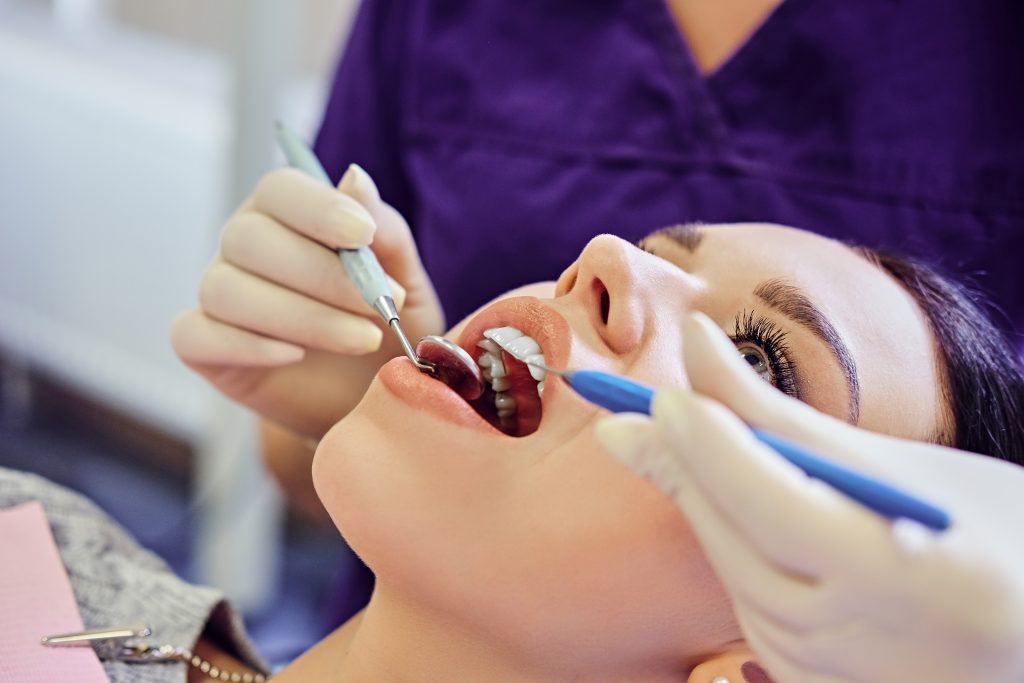
These require professional tools and expertise.
Signs You Should See a Dentist
Seek evaluation if you notice:
- Ongoing bleeding
- Gum recession
- Tooth looseness
- Chronic bad breath
- Pain or swelling
Delaying treatment can worsen long-term damage.
Preventing Gum Disease
Daily prevention includes:
- Brushing and flossing consistently
- Routine dental checkups
- Balanced nutrition
- Managing stress
- Staying hydrated
Prevention is easier than treatment.
FAQs
Conclusion
While mild gum inflammation can often be improved at home, curing gum disease without professional care isn’t always realistic. Understanding the stage of your condition and maintaining strong daily hygiene are key to protecting your oral health long term.